
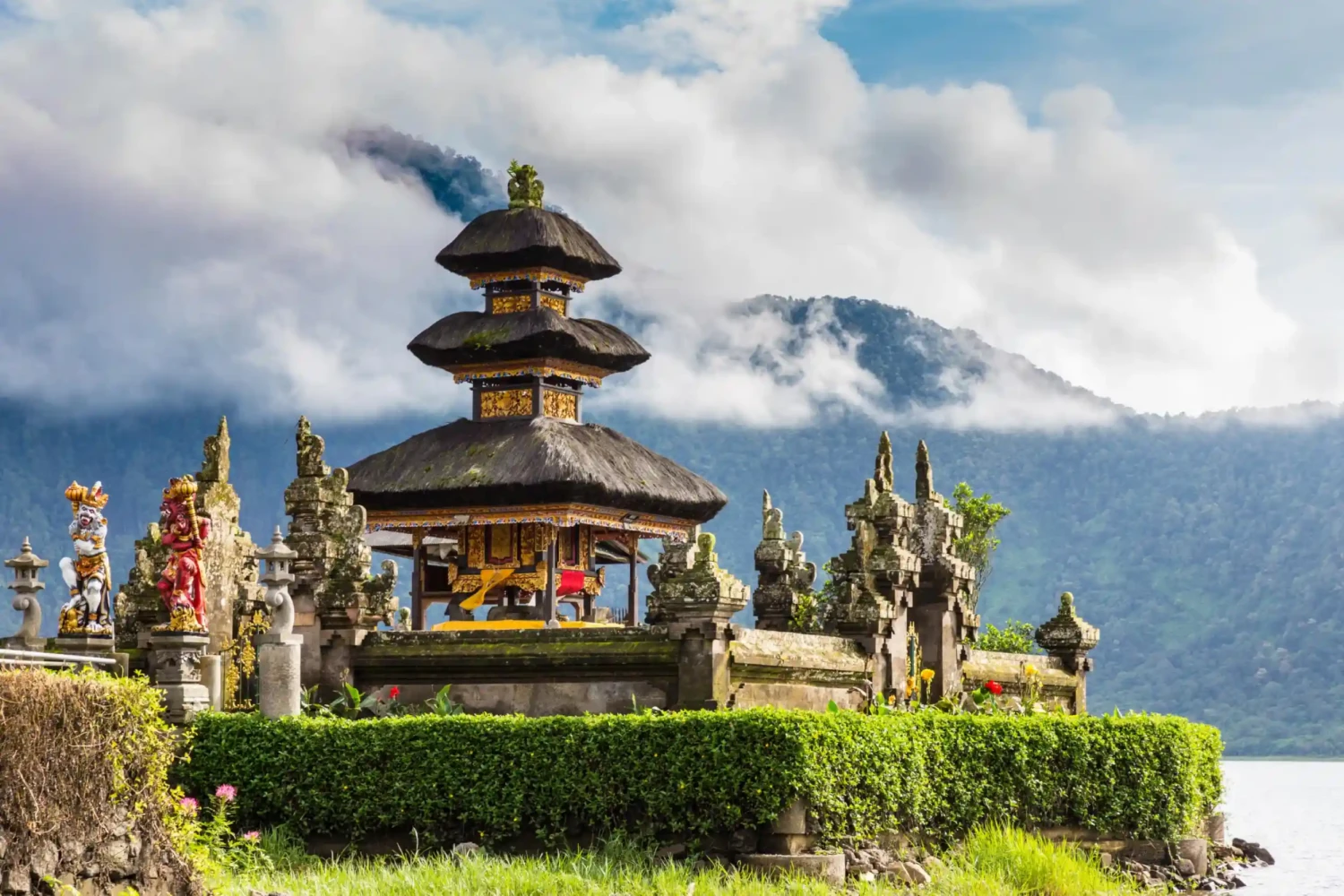
Bali’s tropical climate presents unique challenges for implementing Environmentally Sustainable Design (ESD) in mechanical, electrical, and plumbing (MEP) systems. Throughout this article, ESD stands for Environmentally Sustainable Design — the practice of designing a building to perform environmentally from the first sketch, rather than the electrostatic discharge meaning the acronym carries in electronics. With humidity levels consistently above 75% year-round and reaching over 80% during monsoon season, designing sustainable MEP systems requires innovative approaches that balance environmental responsibility with performance in extreme tropical conditions.
Why Tropical Humidity Challenges Sustainable MEP Design

The intersection of Environmentally Sustainable Design and tropical climate conditions creates complex engineering challenges. Bali’s temperature remains between 20°C and 32°C throughout the year, with humidity consistently above 75%, while humidity levels during Bali’s wet season remain above 80% throughout. This persistent high-humidity environment demands ESD-focused MEP systems that can maintain sustainability goals while performing reliably in challenging conditions.
Traditional sustainable design principles developed for temperate climates often fail in tropical environments. Standard green building approaches like natural ventilation, passive cooling, and moisture management must be fundamentally reconsidered when dealing with Bali’s extreme humidity and salt air exposure.
Key Tropical ESD Challenges:
- Maintaining energy efficiency in high humidity requires intensive dehumidification
- Preventing mold and corrosion in sustainable materials and systems
- Balancing natural ventilation with humidity control requirements
- Managing monsoon water loads while maintaining water conservation goals
- Ensuring long-term durability of eco-friendly materials in salt air environments
Climate Impact on Sustainable Systems: Research shows that conventional sustainable building systems experience 40-60% performance degradation in tropical high-humidity environments without proper adaptation. Solar panel efficiency drops 15-20% due to humidity and salt accumulation, while natural ventilation systems can increase indoor humidity rather than providing cooling relief.
Data Sources: Indonesian Meteorological Agency climate data (2020-2024), showing average annual humidity of 78.5% with peak monsoon levels reaching 85%.
How High Humidity Puts Tropical MEP Systems at Risk

Environmentally Sustainable Design in tropical environments must address the complex relationship between humidity, energy efficiency, and system longevity. High-humidity environments create cascading challenges that threaten both sustainability goals and system performance.
Humidity Impact on Sustainable Systems:
- Natural Ventilation Failure: Above 75% relative humidity, natural ventilation can increase indoor moisture rather than providing cooling
- Material Degradation: Organic, sustainable materials face accelerated decay in persistent moisture
- Energy Efficiency Loss: HVAC systems consume 200-300% more energy to maintain comfort in high humidity
- Indoor Air Quality: Mold and bacterial growth risks increase exponentially above 70% humidity
Critical Performance Zones:
- Optimal Zone: 60-65% humidity for sustainable material performance
- Challenge Zone: 65-75% humidity requiring enhanced moisture management
- Risk Zone: Above 75% humidity, demanding intensive intervention systems
Salt Air Corrosion Effects: Coastal facilities in Bali face salt particle concentrations of 2-5 mg/m³, which, combined with >80% humidity, accelerate corrosion of sustainable metal systems by 400-600%. This significantly reduces the lifespan of solar installations, green roofing systems, and natural ventilation components.
Measured Impacts on ESD Systems:
- Solar panel efficiency degradation: 15-20% annually without proper maintenance
- Natural fiber insulation failure: 300% faster deterioration rate
- Bamboo structural elements: 50% lifespan reduction without protective treatments
- Rainwater harvesting systems: Increased maintenance requirements due to algae growth
MEP System Design Adaptations for Tropical Climates
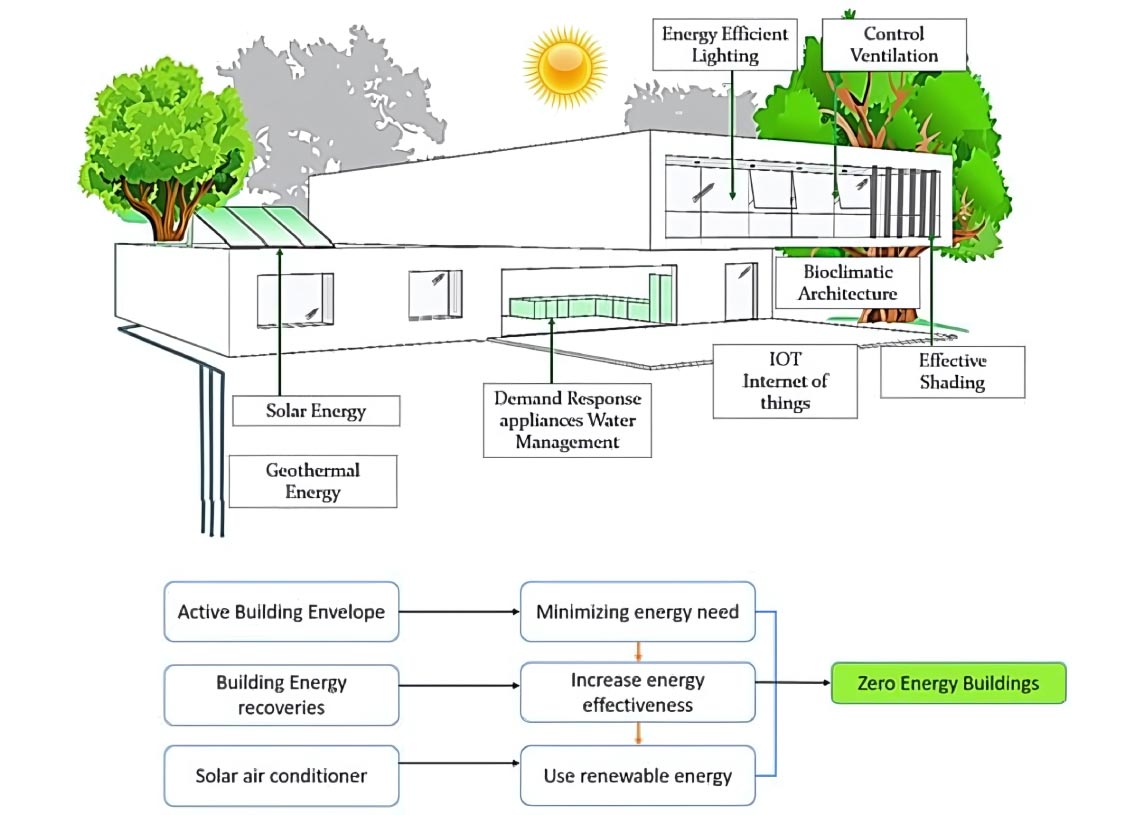
Successful Environmentally Sustainable Design in tropical climates requires adaptive MEP strategies that maintain sustainability principles while addressing extreme environmental conditions. The key is developing resilient systems that work with, rather than against, natural conditions.
Adaptive HVAC Design for ESD:
- Hybrid Ventilation Systems: Combination of natural and mechanical ventilation with humidity sensors
- Staged Dehumidification: Multi-zone approach using heat recovery ventilators
- Thermal Mass Integration: Utilizing earth coupling and thermal mass for passive cooling
- Smart Controls: Automated systems that adjust based on real-time humidity and temperature data
Sustainable HVAC Specifications:
- Temperature Targets: 24-26°C (optimized for tropical comfort while minimizing energy use)
- Humidity Control: Maintain 60-65% RH using energy recovery ventilation
- Air Quality: MERV 13 filtration with UV sterilization for mold prevention
- Energy Recovery: Heat recovery efficiency >80% to offset dehumidification loads
Water Management Systems:
- Rainwater Harvesting: Oversized collection systems (150% of standard capacity) for monsoon management
- Greywater Treatment: Biological treatment systems sized for high organic loads in tropical conditions
- Drainage Design: Enhanced capacity storm water systems with bioswales for natural filtration
- Material Selection: Corrosion-resistant materials (316L stainless steel, HDPE, FRP composite)
Electrical System Sustainability:
- Solar Integration: Tracking systems with automated cleaning for salt/humidity management
- Battery Storage: Lithium-ion systems in climate-controlled enclosures
- Smart Metering: Real-time monitoring to optimize renewable energy utilization
- Grid Integration: Net-zero capable systems with smart inverters
Performance Benchmarks: Properly adapted tropical ESD-MEP systems achieve:
- 40-50% energy reduction vs. conventional tropical buildings
- 60-70% water consumption reduction through recycling systems
- 25+ year system lifespan with proper maintenance protocols
- <5% annual performance degradation for renewable energy systems
Storm Mitigation & Electrical System Resilience

Bali’s monsoon season brings intense storms that pose significant challenges to sustainable electrical systems. Environmentally Sustainable Design must incorporate comprehensive resilience strategies to maintain performance during extreme weather events.
Storm Risk Assessment:
- Monsoon Intensity: December-February peak season with 25 storm days per month
- Wind Speeds: Sustained winds up to 65 km/h during severe weather
- Rainfall: Up to 300mm in 24-hour periods during peak monsoon
- Lightning Activity: 12-15 strikes per km² annually in coastal areas
Resilient Renewable Energy Design:
- Solar Array Protection:
- Wind-rated mounting systems (165 km/h minimum)
- Rapid shutdown systems for severe weather
- Waterproof junction boxes with an IP68 rating
- Automated panel washing systems for salt removal
- Energy Storage Resilience:
- Battery systems in waterproof, ventilated enclosures
- Backup power capacity: 72-hour minimum autonomy
- Smart charging algorithms to prepare for predicted storms
- Emergency disconnect systems for safety
- Grid Integration:
- Microgrid capability for islanding during outages
- Smart inverters with voltage regulation
- Automatic transfer switches for seamless operation
- Power quality monitoring and correction
Water System Storm Management:
- Overflow Protection: Cascading overflow systems for extreme rainfall events
- Pump Station Resilience: Submersible pumps with backup power
- Filtration Robustness: Multi-stage filtration to handle stormwater contamination
- Storage Redundancy: Multiple storage tanks with interconnected systems
Performance Targets:
- System Availability: 99.5% uptime, including monsoon seasons
- Energy Independence: 90% renewable energy coverage year-round
- Water Security: 100% water needs met through on-site systems
- Recovery Time: <24 hours to full operation post-storm
Standards, Testing & Commissioning
Environmentally Sustainable Design MEP systems in tropical climates must meet international sustainability standards while demonstrating resilience to local environmental challenges. Comprehensive testing and commissioning protocols ensure long-term performance and sustainability goals.
Applicable ESD Standards:
- Green Building: BREEAM, LEED v4.1 with tropical climate adaptations
- Energy Performance: ASHRAE 90.1, ISO 50001 energy management
- Water Efficiency: BREEAM Water credits, local Indonesian water conservation standards
- Indoor Environmental Quality: ASHRAE 55 thermal comfort, WHO air quality guidelines
- Renewable Energy: IEC 61215 (solar PV), IEC 61400 (wind systems)
Tropical-Specific Testing Protocols:
- Climate Resilience Testing:
- Accelerated weathering: 2000 hours UV exposure + salt spray
- Thermal cycling: -10°C to +80°C (1000 cycles)
- Humidity resistance: 95% RH at 60°C (720 hours)
- Fungal resistance testing per ASTM G21
- System Integration Validation:
- Energy balance verification over 12-month cycles
- Water system performance during simulated monsoon conditions
- Indoor air quality monitoring for mold and bacteria
- Thermal comfort verification using adaptive comfort models
- Sustainability Performance Metrics:
- Carbon footprint assessment (cradle-to-grave)
- Water footprint analysis, including virtual water
- Life cycle cost analysis over 25-year periods
- Social impact assessment for local community benefits
Commissioning Timeline:
- Phase 1: Dry season installation and initial testing (May-September)
- Phase 2: Pre-monsoon system optimization (October-November)
- Phase 3: Monsoon performance validation (December-April)
- Phase 4: Annual sustainability performance review (April-May)
Acceptance Criteria for ESD Performance:
- Energy: >50% reduction vs. ASHRAE 90.1 baseline
- Water: >40% reduction in potable water consumption
- Indoor Environment: Maintain 60-70% RH, 24-26°C year-round
- Durability: <2% annual performance degradation over 10 years
- Carbon: Net-zero or carbon-negative operation
Best Practices & Case Study Suggestions
Eco-Mantra Portfolio: Proven Tropical Sustainable Design Principles
Eco-Mantra’s portfolio demonstrates successful Environmentally Sustainable Design MEP integration in Bali’s challenging tropical environment through two flagship projects that showcase sustainable design principles and system resilience.
Case Study 1: The Eco-Mantra House – Integrated Sustainable Design

Project Overview:
- Location: Pererenan, Bali (coastal tropical environment)
- Land Area: 1,000 m²
- Completed: 2019
- MEP Consultant: Eco-Mantra & Hardian Solusi Engineering
- ESD Achievement: 60% reduction in energy and water consumption vs. typical Bali homes
Revolutionary Climate-Responsive Design: The Eco-Mantra House demonstrates how Environmentally Sustainable Design can thrive in tropical conditions. Various passive design elements integrated collectively reduce ambient temperatures by up to 7°C, maintaining a comfortable 28°C and minimizing the need for air conditioning while achieving remarkable sustainability performance.
Key ESD MEP Innovations:
- Passive Climate Control Integration:
- Traditional rumah panggung elevated design enhances natural airflow
- Advanced thermal management through long shading structures and ventilated roofing
- Aerated brick walls provide superior insulation in high-humidity conditions
- Results: Monthly electricity consumption under 800,000 Rp for a comprehensive villa with a pool
- Integrated Water Cycle Management:
- 40% of water needs are met through rainwater harvesting systems
- Biological sewage treatment plant enabling complete wastewater recycling
- Rainwater filtration with UV disinfection for potable water security
- Low-flow fixtures and smart irrigation systems optimize consumption
- Energy-Efficient Systems:
- LED lighting throughout with smart controls and daylight harvesting
- Energy-efficient appliances selected for tropical performance
- On-site solar panel installation with grid-tie capability
- Natural ventilation reduces mechanical cooling loads by 60%
Environmental Performance Results:
- Energy Efficiency: 60% reduction in electricity consumption
- Water Conservation: 40% rainwater dependency + 100% wastewater recycling
- Carbon Footprint: Net-zero energy operation during the dry season
- Indoor Comfort: Consistent 28°C comfort without continuous AC operation
- System Longevity: 5+ years of operation with minimal maintenance issues
Case Study 2: Begawan Biji Restaurant – Advanced Sustainable MEP
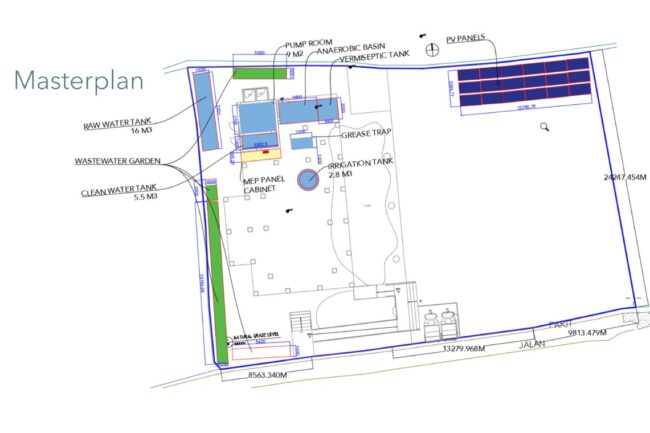
Project Overview:
- Location: Payangan, Bali (highland tropical environment)
- Land Area: 1,019 m²
- Design Period: 2022-2024
- MEP Consultant: Eco-Mantra
- ESD Focus: Closed-loop water systems and energy-efficient operation
Cutting-Edge Sustainable Technologies:
- Biological Wastewater Treatment Garden:
- Bio-STP and constructed wetlands system processing 100% of the facility’s wastewater
- Treated water meets standards for reuse in fishponds, irrigation, and toilet flushing
- A fish pond serves as a biological indicator, ensuring water quality safety
- Zero liquid discharge operation with beneficial reuse applications
- High-Performance Energy Systems:
- Heat pump water heating system is 4x more efficient than conventional systems
- Air-source heat extraction technology optimized for tropical conditions
- LED lighting with daylight harvesting and occupancy sensors
- Energy monitoring systems provide real-time consumption optimization
- Smart Water Management:
- Strategic metering at key consumption points for leak detection
- Integration of well water, rainwater, and treated wastewater streams
- Real-time monitoring prevents system failures and optimizes usage
- Closed-loop design minimizes municipal water dependency
Sustainability Performance Metrics:
- Water Independence: 80% reduction in municipal water consumption
- Energy Efficiency: 4x improvement in water heating efficiency
- Waste Management: 100% wastewater treatment and beneficial reuse
- System Integration: Seamless operation of biological treatment systems
- Community Impact: 100% of profits fund rural education programs
Scalability Lessons for Larger ESD Projects:
Design Principles for Tropical ESD Success:
- Work with Natural Systems: Design MEP systems that enhance rather than fight natural tropical conditions
- Integrate Multiple Functions: Water, energy, and waste systems are designed as interconnected components
- Plan for Extreme Conditions: Systems sized and designed for monsoon extremes, not average conditions
- Use Local Expertise: Partner with regional specialists understand tropical building performance
- Monitor and Optimize: Continuous performance tracking enables predictive maintenance and efficiency improvements
Performance Benchmarks from Real Projects:
- Energy Reduction: 60% below conventional tropical buildings
- Water Conservation: 40-80% reduction in municipal water dependency
- System Durability: 5+ years proven performance in coastal salt air
- Comfort Achievement: 7°C temperature reduction through passive design
- Economic Performance: Rapid payback periods through operational savings
Adaptation Framework for Large-Scale ESD Projects:
- Climate Integration: Design systems that leverage tropical conditions for performance enhancement
- Biological Systems: Incorporate living systems for water treatment and air purification
- Smart Monitoring: Deploy comprehensive sensor networks for predictive system management
- Community Benefits: Design systems that provide social and environmental benefits beyond the building
- Regenerative Approach: Create systems that improve environmental conditions over time
Environmentally Sustainable Design in tropical climates like Bali represents both the greatest challenge and opportunity for sustainable building systems. The data demonstrates that properly designed tropical ESD-MEP systems not only achieve sustainability goals but often exceed performance targets when compared to temperate climate installations.
The Eco-Mantra portfolio proves that innovative MEP design can deliver 60% energy reductions, 40-80% water conservation, and superior indoor environmental quality while maintaining resilience to extreme tropical conditions. These results are achieved through integrated design approaches that work with natural systems rather than against them.
Immediate Action Items for ESD Project Teams:
- Climate Data Analysis: Collect comprehensive local environmental data, including humidity patterns, monsoon intensity, and salt air exposure levels
- Integrated Design Approach: Develop MEP systems as interconnected components rather than independent systems
- Local Partnership Development: Engage regional experts with proven tropical ESD experience
- Performance Monitoring Systems: Implement comprehensive sensor networks for real-time optimization
- Community Integration: Design systems that provide broader social and environmental benefits
For Project Stakeholders:
The investment in properly designed tropical ESD-MEP systems delivers measurable returns through reduced operational costs, enhanced system longevity, and superior environmental performance. The proven results from Eco-Mantra’s portfolio demonstrate that ambitious sustainability goals are achievable in challenging tropical environments.
Strategic Implementation Pathway:
Successful tropical ESD requires systematic planning, beginning with dry season installation for optimal commissioning conditions. The May-October window provides ideal conditions for system installation and performance validation before monsoon season challenges.
Transform Challenges into Opportunities:
Bali’s tropical climate should not be viewed as a barrier to world-class Environmentally Sustainable Design. With proper expertise and innovative approaches, tropical conditions become advantages, providing abundant renewable energy resources, natural biological treatment capabilities, and passive cooling opportunities unavailable in temperate climates.