
Date Published: June 2019
Written by: Sean Nino Lotze
An Eye-Opening Journey into Sustainable Design
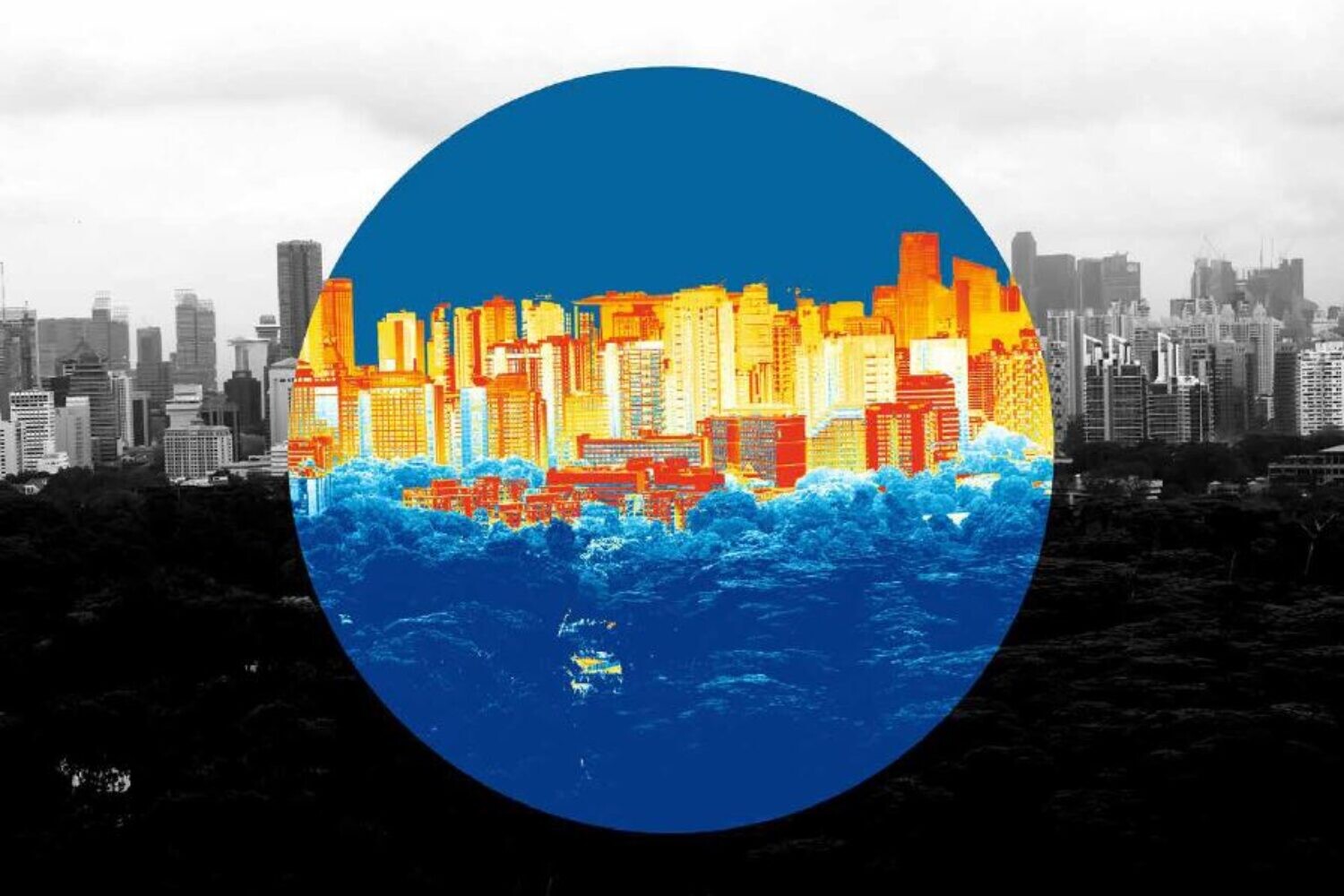
My recent visa trip to Singapore turned into an eye-opening journey into the world of Sustainable Design. As I explored the city, I found myself drawn to the ETH Future Cities Laboratory, a hub of innovation shaping the urban landscapes of tomorrow. Passing by NSU National Science University, I made an impromptu visit to The Hive, a remarkable structure designed by Thomas Heatherwick. The architectural brilliance of the building was only matched by the depth of knowledge I encountered at ETH. I had the privilege of listening to experts like Peter Edwards and Li Xianxiang, who are conducting groundbreaking research on the urban heat island (UHI) effect—a phenomenon that is reshaping our cities in ways we may not yet fully understand.
The Urban Heat Island Effect: A Rising Challenge
In tropical metropolises like Denpasar, Jakarta, Manila, Bangkok, and Singapore, the UHI effect is a pressing concern. Cities are significantly warmer than their rural surroundings, a consequence of massive energy consumption, dense infrastructure, and heat-absorbing materials like asphalt and concrete. Without sufficient greenery to offer natural shade and cooling, urban spaces trap heat, making them uncomfortable and energy-intensive. I realized how this impacts the way we live—forcing us to retreat into air-conditioned spaces, increasing electricity usage, and discouraging alternative transport like walking and cycling. The temperature difference can be staggering, with urban centers registering up to 7°C hotter than surrounding countryside areas. This isn’t just about comfort; it’s a challenge to human health, sustainability, and energy efficiency.
Singapore’s Sustainable Design Solutions
Singapore, known for its forward-thinking urban planning, has taken proactive steps in Environmentally Sustainable Design by implementing green corridors, rooftop gardens, and reflective building materials. I discovered that specialists there have developed guidelines and innovative software tools to help architects and city planners make informed decisions about mitigating the UHI effect. Yet, applying these strategies in Indonesia is another challenge altogether. Many decision-makers and stakeholders remain disconnected from the physical environment they are building in, and while architects may understand the theory, the practice often falls short due to limited resources and awareness.
Mantra’s Approach to Sustainable Design
At Mantra, we believe that Sustainable Design must start with an intimate understanding of the natural environment before even drafting the first blueprint. We have learned that mainstream education often separates scientific knowledge from real-world application, but the key to sustainable architecture lies in the details of nature itself. During our projects, we immerse ourselves in the environment—walking through lush undergrowth, feeling the coolness beneath a canopy of ferns, spotting vibrant butterflies, and experiencing firsthand how natural elements regulate temperature. The difference is tangible. Standing in the shade of dense vegetation can bring a 7°C temperature drop, a simple yet profound reminder that nature already holds the solutions we seek.
Real Solutions for Urban Cooling
Our work at Mantra is deeply inspired by these observations. We have found that green walls, shaded pathways, and natural wind channels drastically reduce heat buildup in urban areas. By incorporating green roofs, permeable pavements, and tree-lined streets, we can cut building heat gain by over 60% and significantly lower energy costs. These are not just theories but real solutions that we are actively implementing in projects across the region. It is incredibly rewarding to see once-overheated spaces transformed into cool, livable environments that promote both sustainability and well-being.
Rethinking Urban Design for a Resilient Future
My trip to Singapore reaffirmed my belief that the key to a cooler, more resilient future lies in rethinking how we design our cities. If we shift our approach to Sustainable Design, integrating nature-driven strategies rather than relying solely on energy-intensive cooling solutions, we can create urban spaces that are not only functional but also restorative. At Mantra, we are committed to turning these insights into action, working alongside visionaries who share our mission to reshape cities into sustainable, thriving ecosystems.
Contact us: