
Project Overview
With Alexis’ vision to integrate the built environment with nature and Eco-Mantra’s expertise in sustainable design & engineering, the design of Freebird Residence showcases a seamless integration of Japanese design, tropical modernism & sustainability. As the environmental engineering consultant, Eco-Mantra ensures optimized resource consumption with minimal environmental impact, based on three key principles: Minimizing Carbon Footprint in energy use, a Zero Run-Off water management system, and a Zero Waste-to-Landfill approach. The project achieved significant milestones, including 36% energy savings, 59% water savings, and a greatly reduced carbon footprint.
Project Details Summary
- Location : Kuta Utara, Bali
- Land Area : 770 m2
- Architect : Alexis Dornier
- ESD&MEP Consultant : Eco-Mantra
- Landscape Consultant : Bali Landscape Company
- Interior Designer : Kosame
- Contractor : Adi Jaya Utama
- Lighting Consultant : Binar Lighting Studio
- Design Duration : 2020-2023
Unique Sustainability Feature
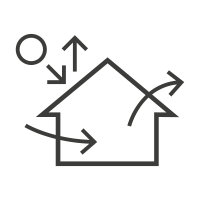 Passive Design:
A defining feature of Freebird Residence is its Passive Design approach, which optimizes natural elements to maintain indoor comfort while significantly reducing energy consumption. The residence uses a combination of natural ventilation, effective shading structures, and high-performance building materials for an efficient building thermal envelope to minimize the need for mechanical cooling. By leveraging natural airflow, reflective surface finishes, and strategically placed shading, the design maintains a comfortable indoor climate year-round, reducing dependence on air conditioning and lowering the overall carbon footprint.
More About Its Environmentally Sustainable Design Features
 Energy: Minimizing Carbon Footprint
Efficient ventilation and air conditioning systems using a centralized VRV system.
Building Energy Simulation software ensures accurate cooling load calculations and prevents over-sizing.
Efficient hot water system powered by a heat pump.
Energy-saving LED lighting throughout the property.
Onsite solar panels generate renewable energy to meet a portion of the property’s energy needs.
High-performance building materials that reduce heat gain.
 Water: Zero Run-Off Principle
Rainwater harvesting from the building’s rooftops.
Low-flow water fixtures to minimize water usage.
Biological sewage treatment system processes wastewater for reuse in irrigation.
Groundwater recharge wells ensure that treated water is returned to the aquifer.
Low-chemical salt-chlorinated pool reduces chemical consumption and enhances water quality.
 Waste: Zero Waste-to-Landfill Principle
Waste separation at source, ensuring that organic and inorganic waste are properly handled.
On-site composting of organic waste to enrich the property’s gardens.
Recycling facilities to manage inorganic waste, keeping materials out of landfills.
Environmental Impact & Savings
Electricity Savings:
1,107,562kWh
Water Savings: 59%
15,000,000L
Waste to Landfill Reduction: 47%
9,580kg
Carbon Emission Reduction:
17,720,993kg CO2e
Savings calculated over a 20 year lifetime.
Project Gallery