
Date Published: November 12th, 2024
Written by: Vania Dian Gunawan, edited by Charlene Octavian
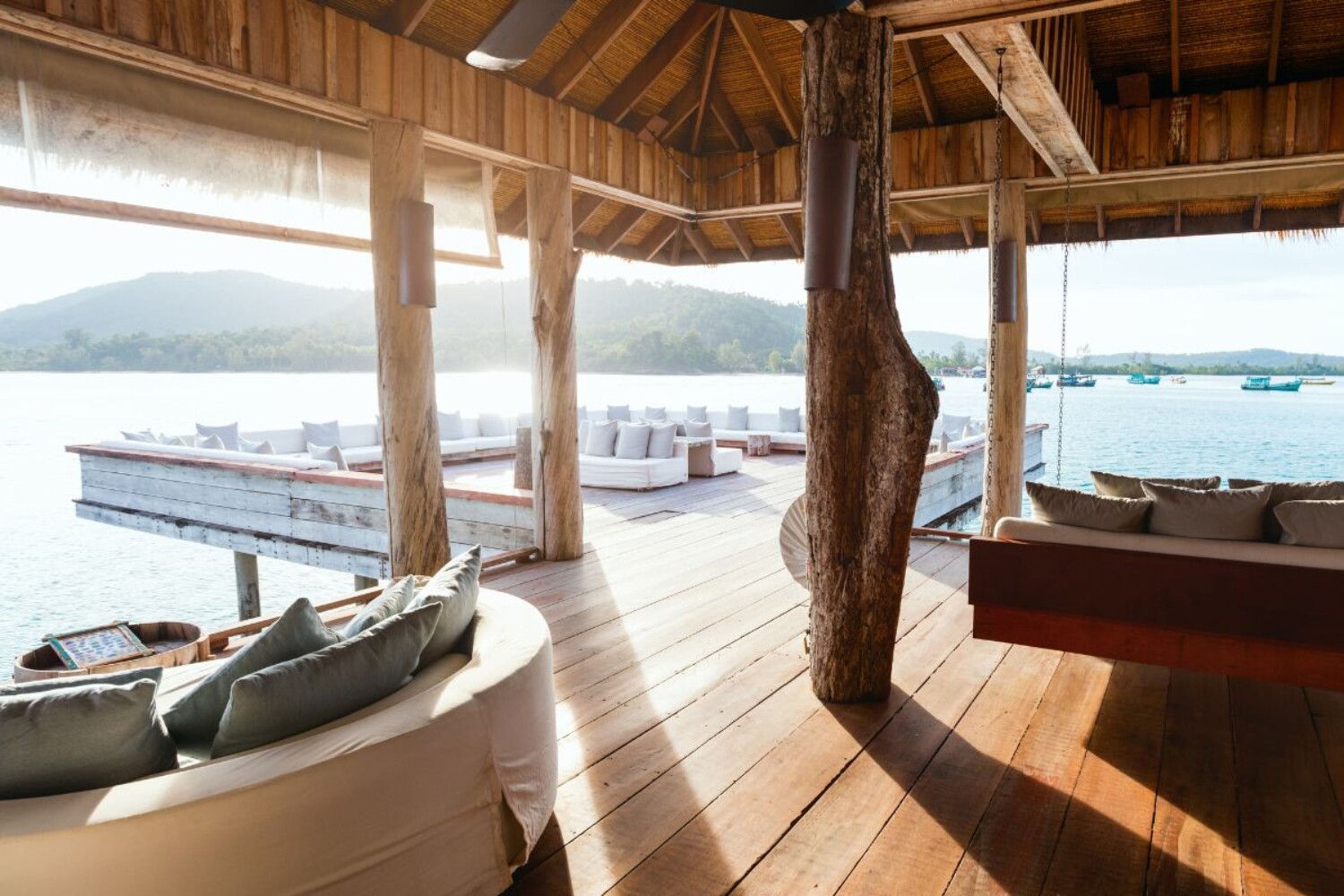
Bali, one of the top tourist destinations in the world, offers diverse experiences from stunning beaches and mountains to vibrant culture and nightlife, with accommodations also ranging from budget hostels to luxury resorts. Resorts, often set in private locations, provide a more secluded and relaxing experience than hotels. They feature facilities such as private beaches, swimming pools, fitness centers, and saunas, allowing guests to enjoy an enjoyable vacation without needing to leave the resort.
While resorts offer luxurious experiences for visitors, their construction and operation often involve land use change and significant resource consumption, impacting the environment. Does our enjoyment come at the expense of the environment and local communities? This is why customers need to be more aware and why sustainable resort design is crucial. By implementing it, we can minimize environmental impact while maintaining visitor comfort, showing that sustainability and profitability can go hand in hand.
What is Sustainable Resort Design?
Sustainable resort design is not only just the regular resort, but it has upgraded to not only being sustainable in its design but also environmentally conscious in its design and operation. Let’s dive deeper into the sustainable resort design principles:
- Site Analysis and Master Planning: sustainable resort design considers the local climate, landscape, topography, and cultural context. This is important to not only provide beautiful views for the customers but also to maximize the design while not disturbing the natural habitats and wildlife.
- Implement passive design which could include maximizing natural light and ventilation. Read this article to learn more about passive design principles.
- Using local, eco-friendly building materials: such as bamboo, which grows quickly and is durable and termite-resistant, helps reduce carbon emissions. Other options include reclaimed wood, recycled glass, and low-VOC paints and furniture. Additionally, good insulation materials can further reduce energy usage.
- Energy Efficiency and Renewable Energy: implement passive cooling systems, and renewable and energy-saving technologies, such as LED lighting systems, solar panels, wind turbines, or geothermal systems.
- Water Conservation: this includes the usage of low-flow toilets, taps, and showerheads, wastewater recycling, and the implementation of rainwater harvesting for non-potable use.
- Waste Reduction: through composting, waste separation, swap single-use plastics for reusable water bottles and toiletries, cutlery, and bamboo utensils.
- Green Technology and Smart Design: innovative systems such as smart thermometers, and smart lighting so not only reduce energy usage but also allow the customer to have a personalized experience.
A truly sustainable resort goes beyond using renewable materials and minimizing its carbon footprint; it also incorporates eco-friendly activities and engages with local communities. In Bali, this could involve collaborating with locals for guided nature tours, introducing organic farming, and showcasing local culture. By participating in these activities, visitors enjoy their stay while contributing to environmental preservation and supporting the local community.
Transitioning from traditional to sustainable resort design presents challenges such as a lack of knowledge and awareness, concerns about high initial costs, and difficulty in recognizing long-term benefits. Additionally, sustainable materials may not be as readily available as traditional ones, leading some architects and developers to prefer conventional designs. Therefore, education, training, and awareness are important to highlight the benefits of sustainable design, along with government support to make sustainable materials and practices more accessible. Despite these challenges, embracing sustainable resort design brings numerous benefits:
Benefits of Sustainable Resort Design
- Minimize environmental impact by reducing the usage of resources and minimizing waste.
- Save costs through the implementation of sustainable practices, such as efficient appliances and passive design which can lead to significant cost savings in energy and water consumption.
- As more travelers seek eco-friendly options, sustainable resort design can appeal to this market segment, especially when paired with green certification programs.
- Healthier for the visitors, for example, using VOC-free materials and ensuring proper ventilation through natural openings can improve indoor air quality, while natural lighting enhances visitors’ health and well-being.
- Promotes sustainable and environmentally friendly habits among both employees and visitors to the resort.
Sustainability in Bali Tourism
Bali, the second most popular destination in the world (Trip Advisor, 2023), is increasingly focusing on sustainability. This includes developing accommodations designed and operated with eco-friendly principles. You can see these principles in various types of accommodations, such as sustainable hotel designs, eco-resorts in Bali, and green hotels. Tourists now have many options for more environmentally friendly stays. The goal is for the tourism industry to achieve a balance where economic growth and environmental care go hand in hand.
Eco-Mantra’s Commitment to Sustainability
Eco-Mantra is an environmental engineering consultancy company based in Bali that has been helping clients, including properties such as villas, hotels, and more, to minimize their environmental impact while enhancing occupant comfort through the implementation of numerous Environmentally Sustainable Design (ESD) practices for the past 10 years.
If you are interested in minimizing your property’s environmental impact, please visit our portfolio to see our work and contact us here with any questions. Our team of engineers will be happy to assist you on your sustainable journey.
Sources:
Hotels — Asia Sustainable Travel
How luxury resorts are using innovative ways to improve sustainability within hospitality
How to Plan & Design a Resort Hotel | Think Architecture
Increasing Business Profits by Adopting an Environmentally Friendly Resort Concept
Is Bali Indonesia a Dream Vacation or an Overhyped Tourist Destination?
The Design of Eco-friendly Resort, Asu Island (Organic Architecture)
The Green Blueprint: Advanced Sustainable Design Strategies for Eco-Friendly