
Date Published: December 17th, 2024
Written by: Vania Dian Gunawan, edited by Charlene Octavian
An Overview of Environmental Engineering
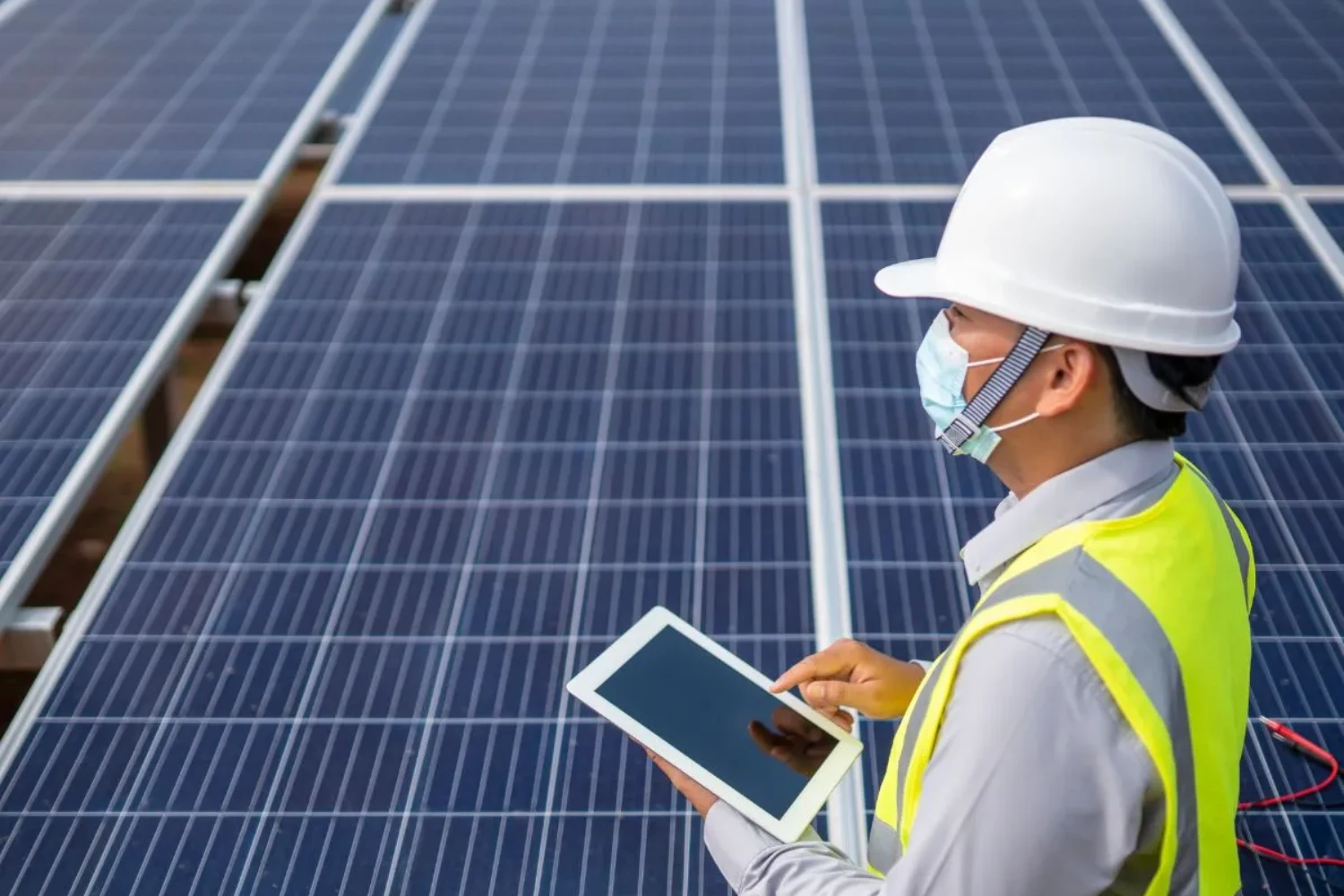
As our planet faces numerous challenges like air and water pollution, waste management issues, and global climate change, protecting the environment becomes important. Addressing these complex issues requires targeted solutions, this is where environmental engineers are needed. They use technologies, equipment, and processes to control and reduce pollution and contamination. Their efforts include tackling environmental damage and developing strategies to mitigate climate change’s impacts on ecosystems and design infrastructure that minimize environmental harm and safeguard public health.
This field includes many areas of discipline, such as chemistry, ecology, geology, hydraulics, hydrology, microbiology, economics, and mathematics. Originally a part of civil engineering known as sanitary engineering, it evolved into a more comprehensive field of environmental engineering in the mid-1960s.
Roles of Environmental Engineering
Environmental engineers analyze data, conduct inspections, monitor progress, and design projects focused on environmental protection, ensuring that their work contributes to a healthier and more sustainable world. Here are the key aspects of their role:
Conduct Environmental Impact Assessment (EIA)
This involves evaluating the potential effects of proposed projects on the environment and working to minimize any negative impacts. This process assesses factors such as air and water quality, ecosystems, and community well-being to identify risks and develop effective mitigation strategies.
Develop Mitigation Strategies
Environmental engineers are key in developing and implementing strategies to address the immediate impacts of projects. These strategies may include redesigning project plans, employing pollution control technologies, or relocating projects to more suitable locations. For instance, engineers might advise against building a shopping mall in a habitat for endangered species to protect the local wildlife.
Ensure Compliance
They work to ensure that projects adhere to all relevant environmental standards and regulations, helping to avoid legal issues and promote sustainable practices. This includes monitoring and enforcing adherence to established environmental laws throughout the project lifecycle.
Facilitate Environmental Planning
Environmental engineers collaborate with government agencies to create and implement regulations that support environmental protection and sustainability. This involves setting emissions standards, land use regulations, and waste management policies, all designed to encourage responsible environmental practices and long-term sustainability.
Environmental Engineering Specializations
Environmental engineering covers various specializations to solve different environmental challenges and improve quality and management:
1. Water
-
Water Treatment and Purification
Water engineering focuses on water treatment, which involves designing and managing treatment plants to remove impurities and contaminants from water. Engineers use advanced technologies such as chemical treatments, filtration, and disinfection to ensure water is safe for consumption. They also monitor regional water resources and develop methods for storing and distributing clean water.
-
Wastewater Treatment:
Environmental engineers specializing in wastewater management design treatment plants to cleanse sewage and industrial wastewater, ensuring it’s safe for release into the environment. They develop technologies and systems such as clarifiers to remove solids, activated sludge systems to eliminate organic matter, and biological nitrogen removal processes. Additionally, they implement disinfection methods to treat sewage and enable the reuse of wastewater
-
Stormwater Management
Stormwater engineers minimize the impact of urban runoff and heavy rainfall by designing systems to prevent flooding, protect water quality, and manage stormwater. They use green infrastructure to harness natural solutions for better stormwater management and improved water quality.
2. Solid Waste and Landfill Engineering
Solid waste and landfill engineers design systems for efficient waste collection, sorting, recycling, and disposal, aiming to minimize landfill use and environmental impact. They manage landfills for non-recyclable waste, control leachate, and emissions, and plan for eventual closure and reclamation.
3. Air Quality
Air quality engineers enhance both outdoor and indoor air conditions by developing technologies to reduce emissions from industrial sources and vehicles. They use tools such as electrostatic precipitators and scrubbers to improve air quality and design ventilation and filtration systems to address indoor pollutants, ensuring healthier environments.
Environmental engineers balance their work between the office and field sites. In the office, they analyze data, perform quality checks, and coordinate with colleagues. On-site, they gather samples and evaluate environmental conditions, which are later analyzed back at the office. Their roles may include working in industrial plants or laboratories. Strong communication and interpersonal skills are vital for collaborating effectively with engineers, technicians, scientists, and other stakeholders to ensure successful project outcomes.
Emerging Specializations in Environmental Engineering
Environmental engineering continues to evolve, addressing new challenges and leveraging technological advancements. Key emerging specializations include:
-
Climate Change, Adaptation, and Sustainable Engineering
Environmental engineers are increasingly involved in designing resilient infrastructure and promoting eco-friendly practices to mitigate and adapt to climate change. This includes addressing sea-level rise, developing renewable energy systems, and integrating sustainable engineering practices like eco-friendly building designs and responsible manufacturing.
-
Environmental Data Science
With the rise of data, engineers now use advanced techniques to analyze environmental data sets. This specialization focuses on identifying trends, predicting changes, and informing data-driven environmental decisions.
Eco-Mantra: Pioneering Sustainable Design
Eco-Mantra is an environmental engineering company in Bali. We are a team of engineers who work with visionary leaders and developers to create eco-friendly destinations and experiences through environmentally sustainable design principles. By implementing that, we help develop unique properties that are energy and water-efficient, minimize waste, and contribute to long-term financial savings while reducing ecological impact. Eco-Mantra is dedicated to demonstrating that development can have a positive social and environmental impact. Click here to understand more about what we do.
Sources:
How to Become an Environmental Engineer
Types of Environmental Engineering