
Date Published: November 23rd, 2024
Written by: Vania Dian Gunawan, edited by Charlene Octavian
The Growing Challenge of Waste Management
Indonesia’s population continues to grow each year, reaching 280.73 million in December 2023 (Databox). This growth has led to increased resource consumption, which resulted in more waste. According to data from Pengelolaan Sampah Nasional (SIPSN) of the Ministry of Environment and Forestry, as of July 24, 2024, reports from 290 regencies/cities across Indonesia show that national waste generation reached 31.9 million tons. Of this total, 63.3% (20.5 million tons) was managed, while the remaining 35.67% (11.3 million tons) was not, highlighting the urgent need for a more effective waste management system.
What does Zero Waste Mean?
Moving towards zero waste involves reducing waste by minimizing unnecessary material use, particularly non-recyclables, improving product designs for recyclability, and adopting alternative treatments to minimize disposal. The zero-waste approach aims to reduce the high costs of waste management, address the gap between increasing waste volumes and inadequate infrastructure, extend the lifespan of landfills, and minimize environmental impact. The zero-waste hierarchy helps prioritize actions, ranked from best to worst use:
- Reduce and Conserve Materials: Refuse, return, reduce toxics materials, and optimize design to reduce waste—focus on lowering consumption and packaging.
- Promote resource reuse and provide incentives to reduce waste.
- Sustainable Product Design: Encourage manufacturers to create durable products that can be returned for recycling or reuse.
- Reuse: Retain the value and function of materials.
- Recycle: Process both inorganic and organic materials.
- Manage waste disposal.
The Benefits of Implementing Zero Waste
With zero waste implementation cities can cut costs, protect the environment, create jobs, enhance resilience, reduce emissions, and foster community. Here are the further details on the benefits:
Environmental Benefits
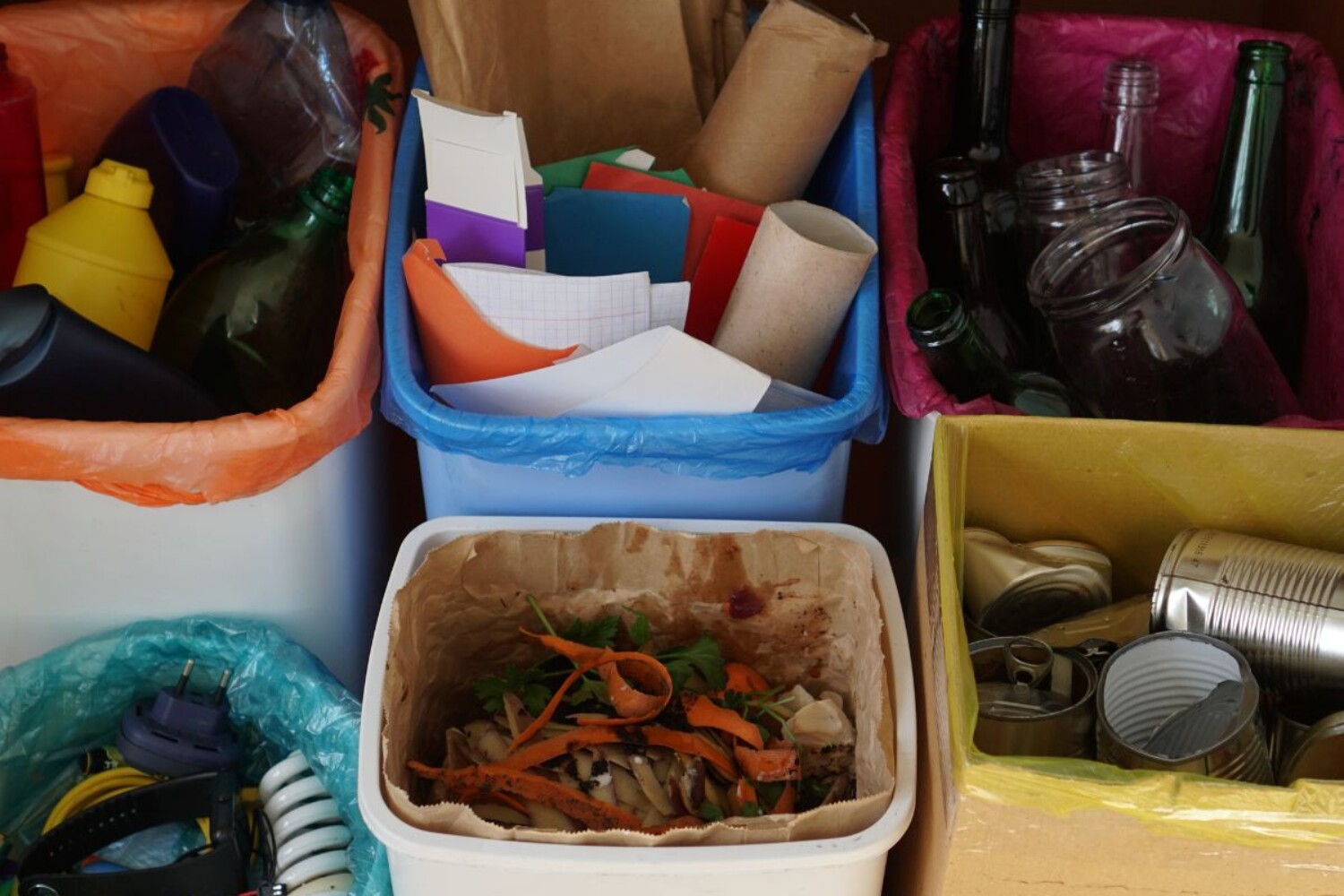
- Waste disposal is responsible for 5% of total greenhouse gas (GHG) emissions. Organic waste in landfills produces methane, 80 times more harmful than CO2. Additionally, leachate from landfills can contaminate water and soil, while burning waste pollutes the air. By separating waste at its source, organic materials can be repurposed into nutritious compost or biogas.
- Since waste and consumed materials contribute significantly to GHG emissions throughout their lifecycle—from resource extraction to disposal—adopting a zero-waste approach, which focuses on minimizing, recovering, and treating waste rather than relying on landfills or incineration, is crucial for cities.
Social Benefits
- A zero-waste approach can improve the quality of life for people living near landfills. These communities often face health issues due to pollution in their water and air.
- Zero-waste initiatives can strengthen community relationships and encourage participation in activities such as food sharing through food banks, which helps reduce food waste and support those in need.
Economic Benefits
- Reducing waste management costs means less need for new landfill sites and associated facilities.
- A zero-waste approach supports a local circular economy, turning waste into valuable resources and creating new job opportunities—up to 10 times more than conventional waste disposal methods. Recycling, repair businesses, and composting facilities all contribute to this economic benefit.
Initiatives Leading to Zero Waste in Indonesia
Here are various initiatives aimed at improving Indonesia’s waste management and reducing waste:
Government Regulation
One key initiative is Presidential Regulation No. 97 of 2017 on the National Strategy Policy for Managing and Reducing Waste. This regulation sets ambitious targets for waste management by 2025, including a 30% reduction in total waste generated and processing and managing at least 70% of the total waste to prevent it from ending up in landfills. Other regions in Indonesia are expected to develop their own models, known as Regional Strategy Policies (Jasktrada).
Producer-Related Initiatives
Extended Producer Responsibility (EPR) is a government program aimed at holding producers accountable for the environmental impact of their production processes. This concept is incorporated into Ministerial Regulation No. 75 of 2019 by the Ministry of Environment and Forestry, which addresses non-degradable and non-recyclable product packaging. Producers are required to develop and implement a waste reduction plan, including baseline data, reduction trials, and reporting. They must submit reports to relevant authorities, who can offer incentives or give penalties based on performance. However, as of 2022, only 15 businesses had implemented this program, reducing 1,145.5 tons of waste.
Industry and Company Initiatives
The Jakarta government introduced Governor Regulation No. 102 of 2021 to enhance waste management within industries and companies. This regulation mandates that industries manage their waste independently of the government by employing third-party waste management services. This approach aims to improve effectiveness and efficiency. Industries must comply with legal responsibilities for waste management, including segregation, collection, management, and transportation, and must periodically report their waste management activities.
Community-Level Initiatives
The government has introduced “bank sampah” (waste banks) to involve communities in waste management, aiming to reduce waste while providing economic benefits. By 2021, there were 11,556 waste banks active in 363 districts, serving 419,204 customers and generating a monthly turnover of IDR 2.8 billion. Despite this growth, waste banks only reduced 2.7% of national waste, a minimal improvement from 2.4% in 2018 when there were fewer units. Challenges include limited resources, concentration in lower-income areas, and a lack of integration with recycling industries, which leads to inefficient waste collection and sales. Additionally, high operational costs hinder their overall effectiveness.
So, Is Zero Waste in Indonesia Possible?
While steps and goals are outlined, achieving zero waste in Indonesia requires a collective effort. Here’s how it can be done:
- Raise Awareness: Everyone must take responsibility for their own waste.
- Implement Facilities and Management Systems: Proper waste management should start at the household level.
- Promote Efforts, Programs, and Regulations: Educate the public about existing initiatives to ensure effective participation.
- Strengthen Monitoring and Evaluation: Regular assessments are crucial for progress.
- Provide Incentives: Support from the government or private sector can encourage participation.
- Strengthen Collaboration: Partnerships among all stakeholders from government, local authorities, businesses, associations, academia, and the public are important.
If these steps are implemented collectively and properly, achieving zero waste in Indonesia becomes an attainable goal. Here’s how Eco-Mantra is contributing to this vision.
Zero Waste to Landfill Program by Eco-Mantra
Eco-Mantra is an environmental engineering consultancy dedicated to reducing environmental impacts by minimizing resource use and pollution, including through effective waste management. We have launched our Zero-Waste-to-Landfill program to assist businesses in their waste management journey. The management program is tailored to each property’s specific needs. We have successfully helped various clients significantly reduce their waste-to-landfill through a cycle of waste audits, customized frameworks, and implementation, and have reduced waste-to-landfill by 90%.
- Potato Head: Partnering with Eco-Mantra since 2017, Potato Head has implemented waste separation at the source, sustainability audits, and continuous improvements. As a result, they manage 97.5% of their waste, reducing the amount sent to landfills to just 2.5%, down from an initial rate of over 50%.
- Waterbom Bali: Through various waste management initiatives, including waste separation and audits, Waterbom Bali has improved its recycling rate from 83% to 96.4%, sending just 3.6% of its waste to landfills.
Read more about this program here: Zero Waste-to-Landfill Program.
Sources:
How Do Overpopulation and Overconsumption Damage the Environment? What You Need to Know
Implementasi EPR (Extended Producer Responsibility) di Indonesia: Peluang dan Tantangan
Jalan Panjang Menuju Indonesia Bebas Sampah
Jumlah Penduduk di 38 Provinsi Indonesia Desember 2023
Mungkinkah “Zero Waste City” Terwujud di Indonesia?
Why cities need to advance towards zero waste
11,3 Juta Ton Sampah di Indonesia Tidak Terkelola dengan Baik