Project Overview
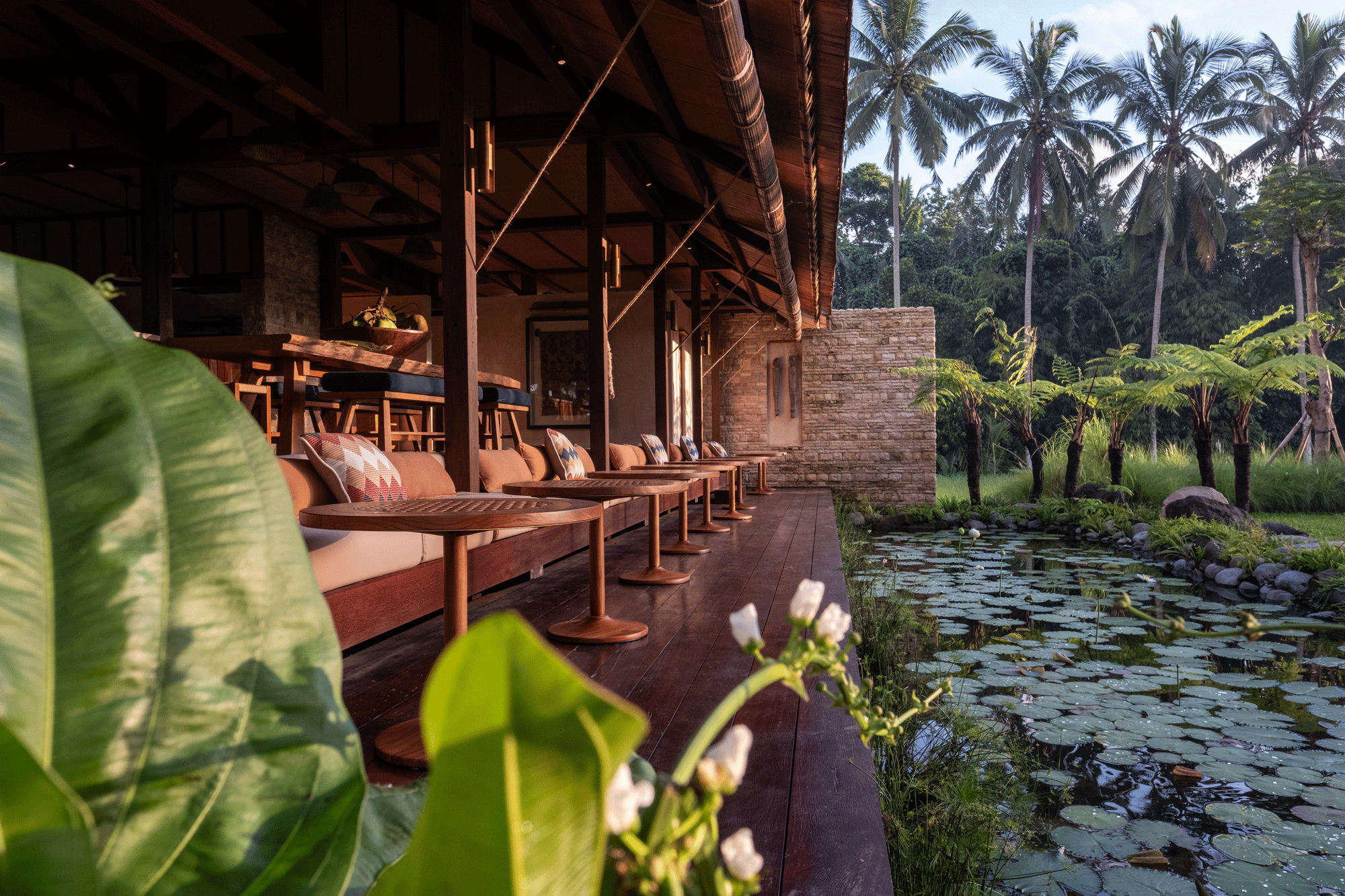
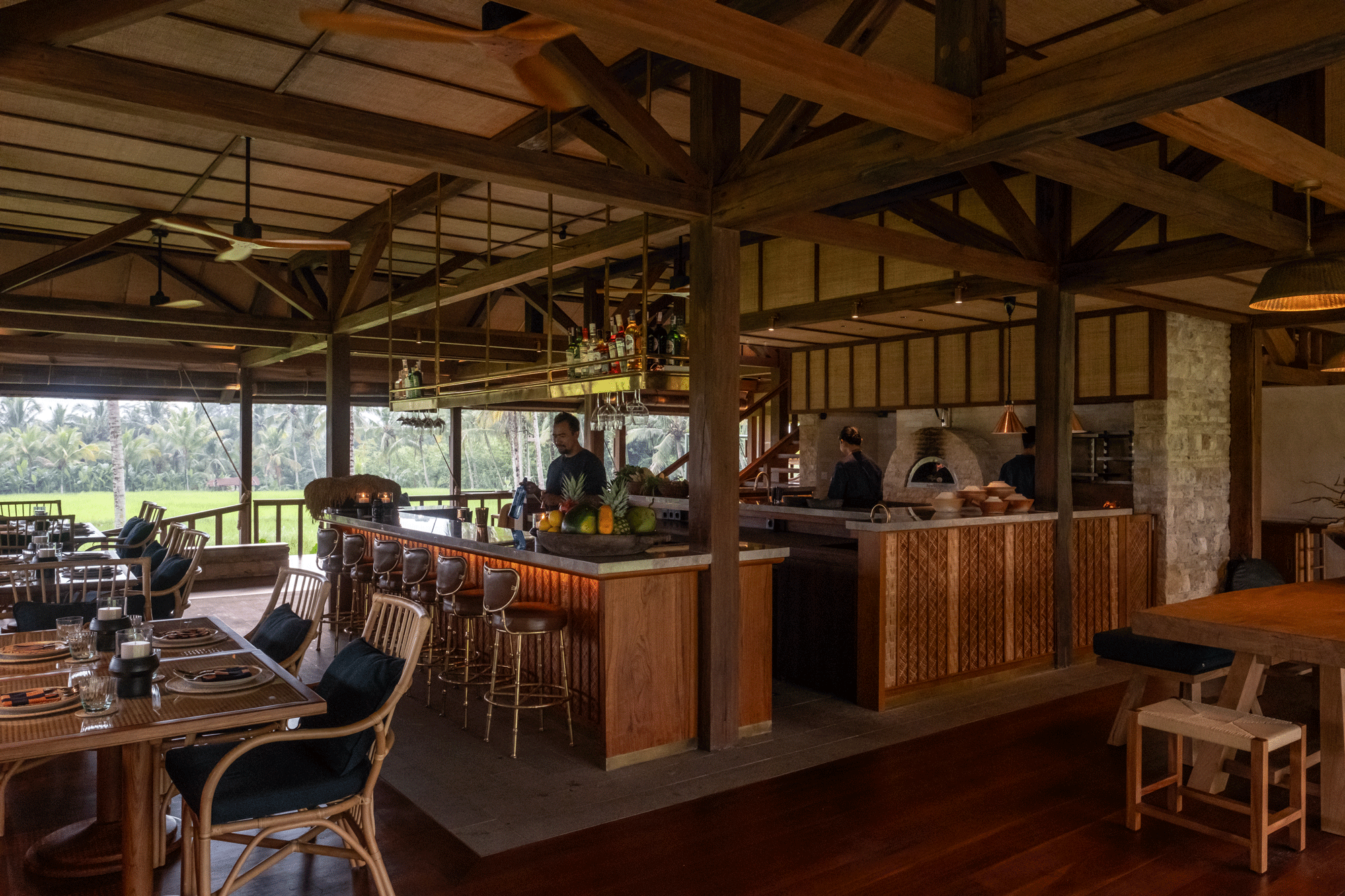
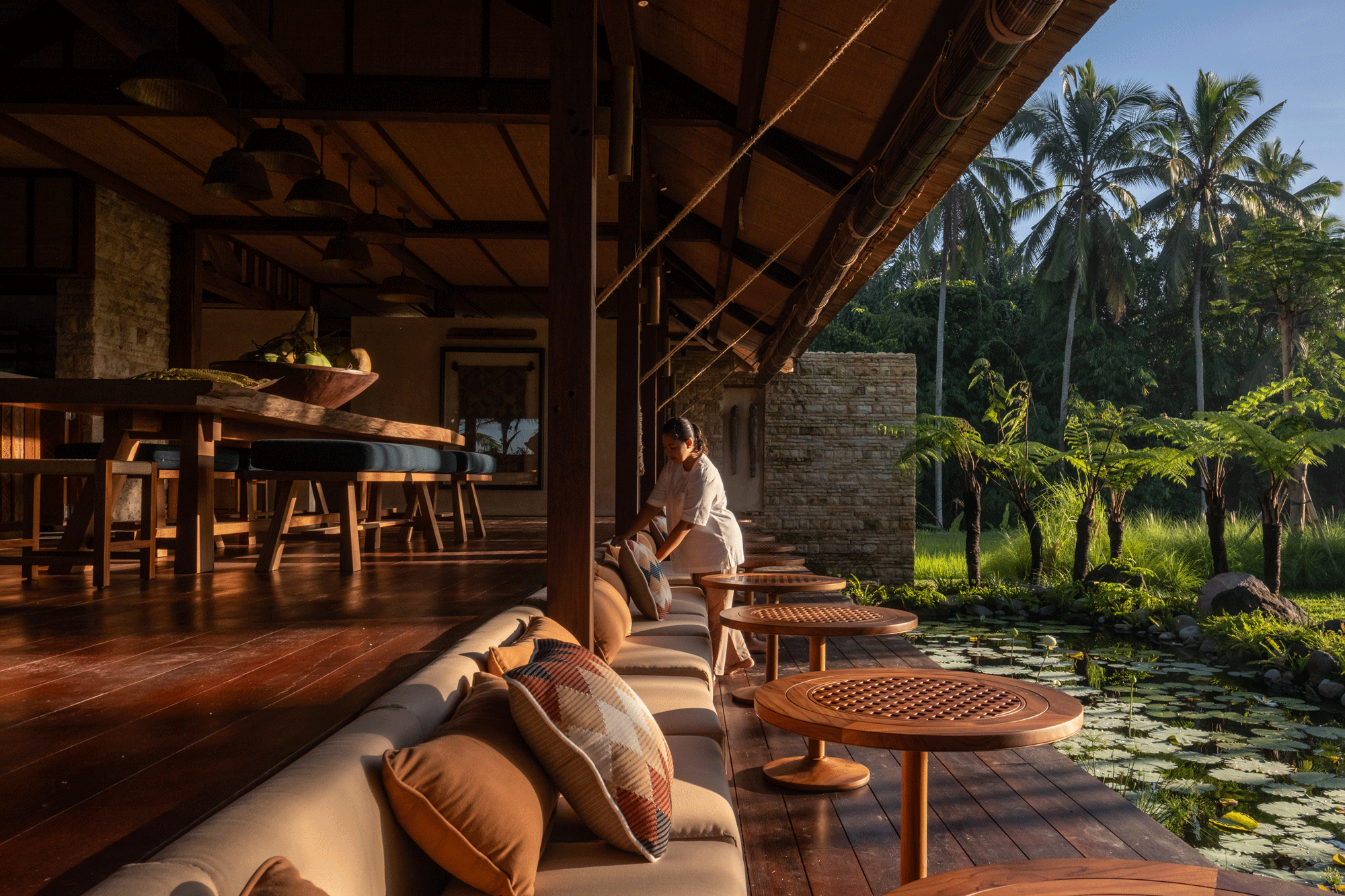
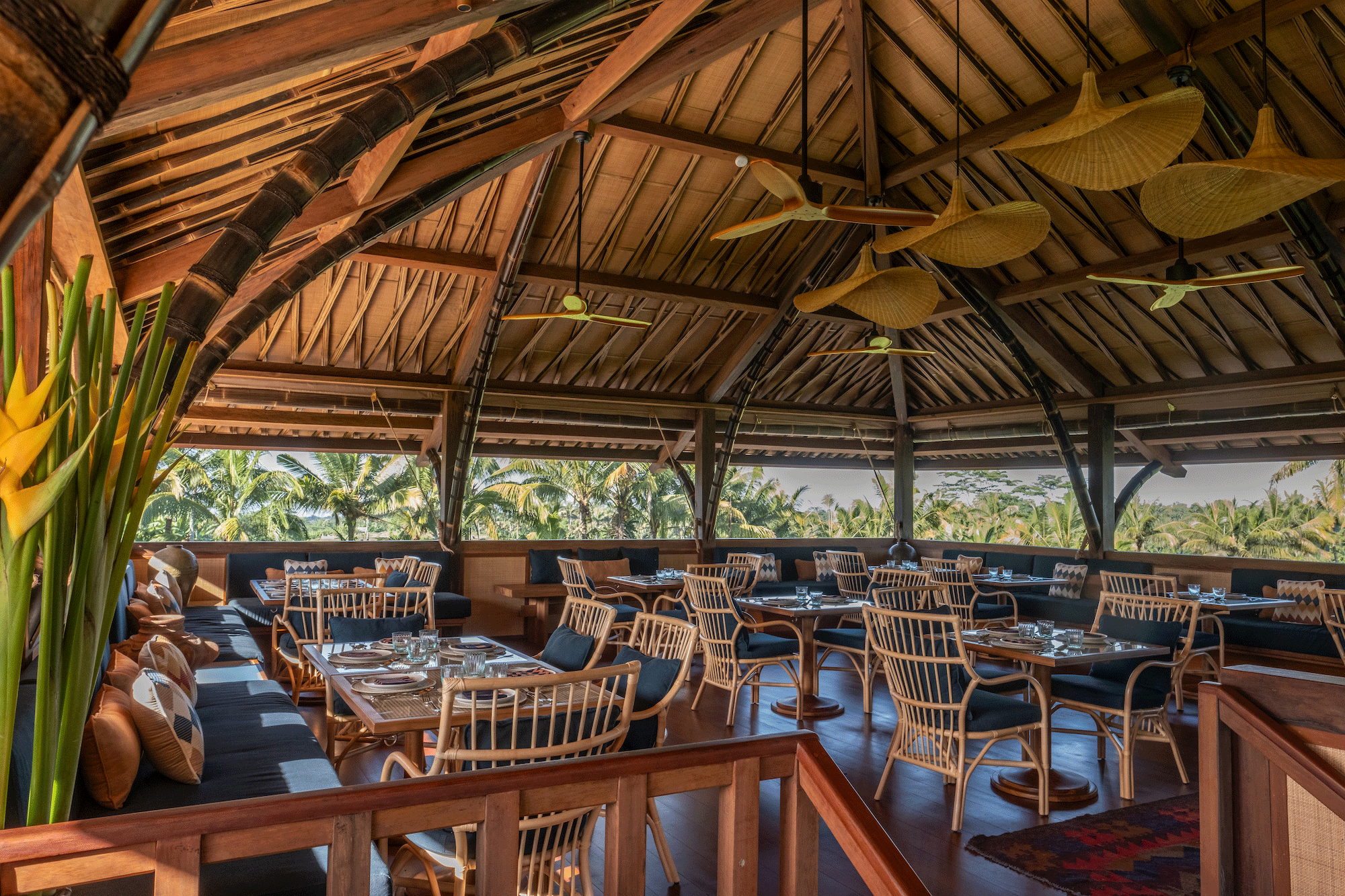
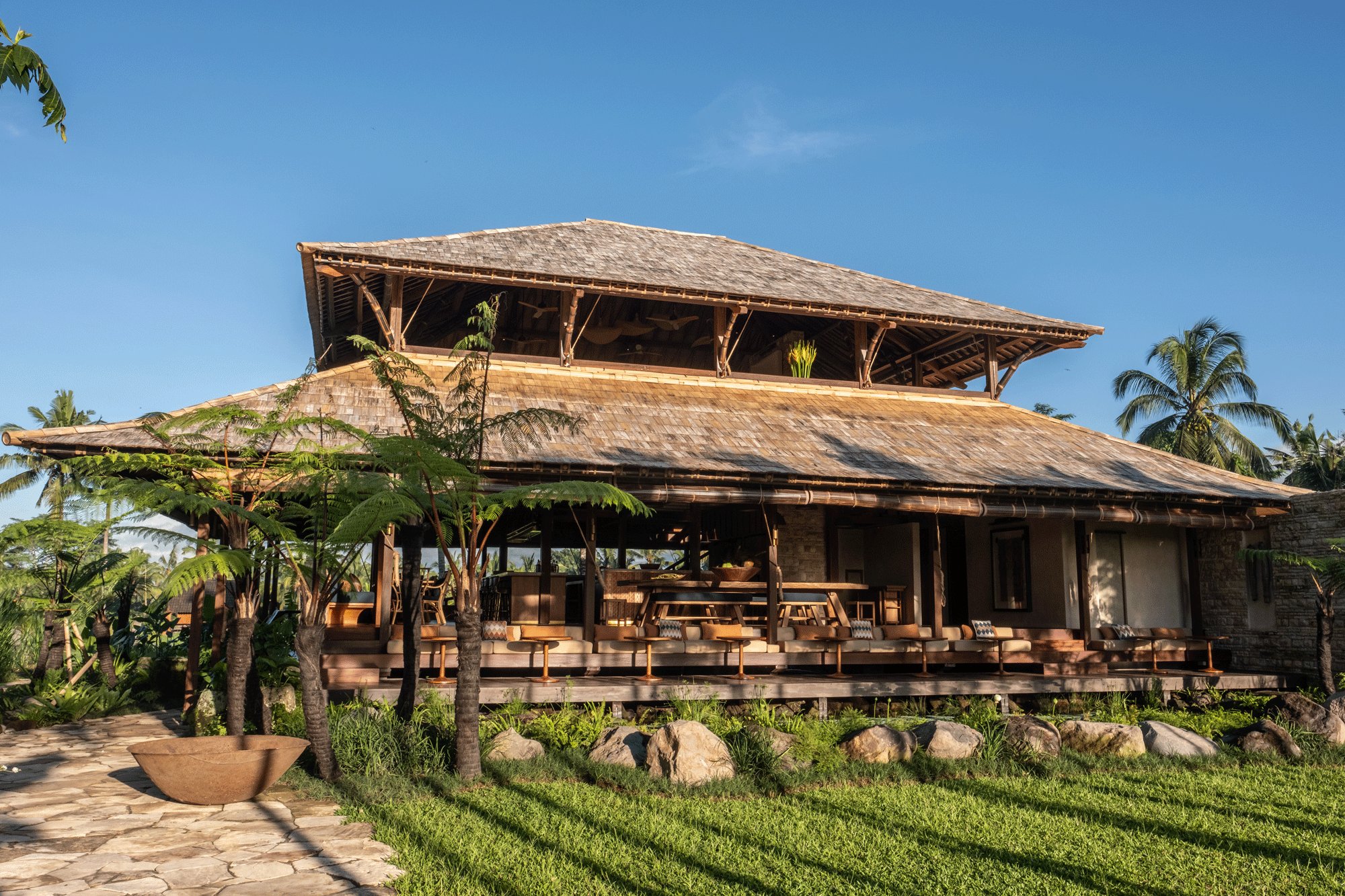
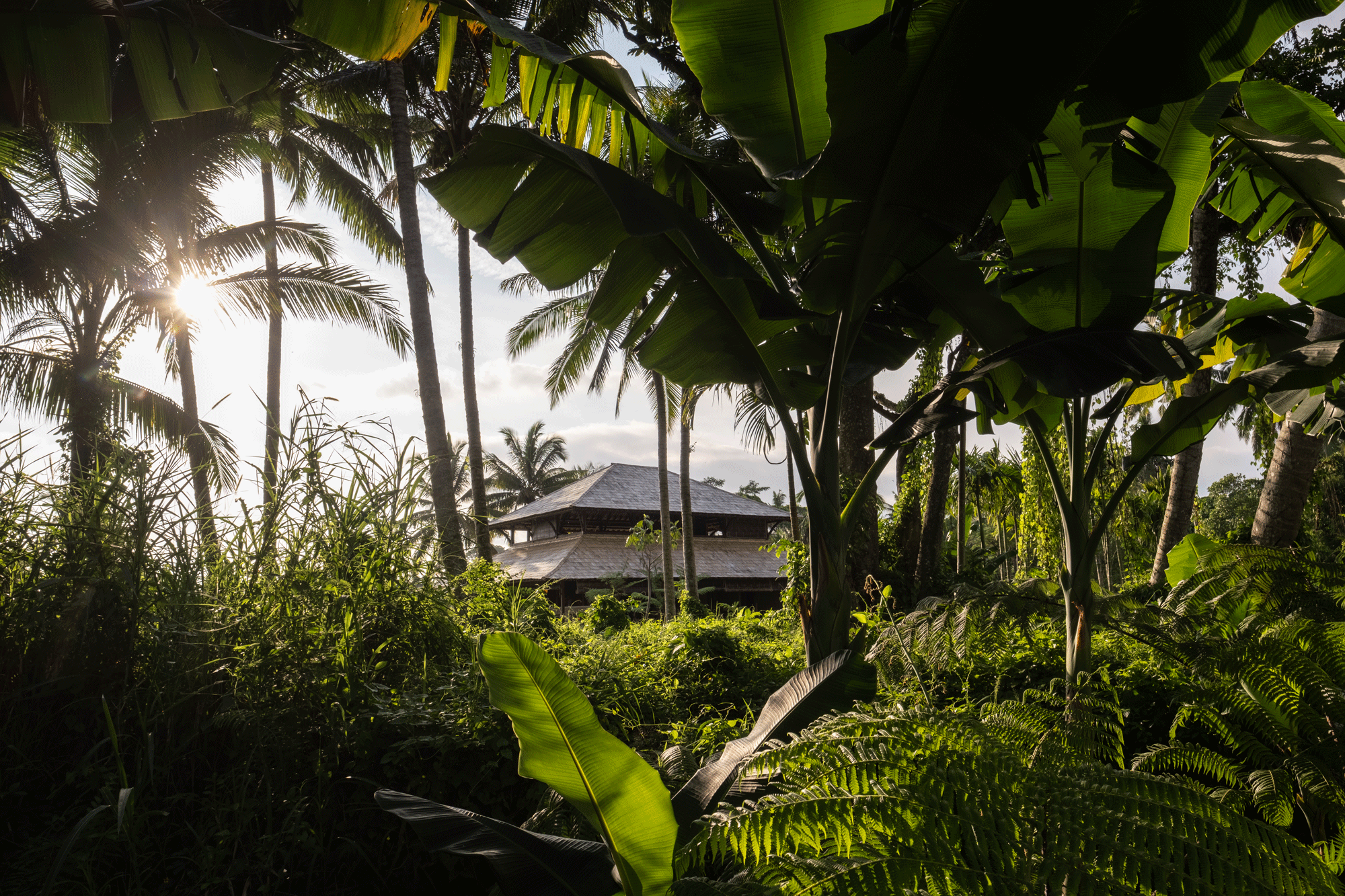
Begawan Biji is a destination restaurant located in the Payangan District, just 8.5 km from Ubud, Bali. Designed by the renowned architect Conchita Blanco, the restaurant blends traditional Balinese architecture and offers a refined countryside dining experience with farm-to-table meals. Eco-Mantra has seamlessly integrated environmentally sustainable design (ESD) solutions throughout the site, focusing on energy efficiency and water conservation. This restaurant also emphasizes regenerative farming and nature conservation, with 100% of its profits funding educational programs for rural children. This project showcases a harmonious blend of environmental responsibility and community development, contributing to Bali’s cultural and ecological preservation.
Project Details Summary
- Location : Payangan, Bali
- Land Area : 1,019 m2
- Architect : Blancostudio
- MEP Consultant : Eco-Mantra
- Bamboo Construction Specialist : Asali Bali
- Landscape Consultant : Sebastian Mesdag
- Lighting Consultant : Binar Lighting Studio
- Design Duration : 2022-2024
Unique Sustainability Feature
 Wastewater Garden:
One of the standout sustainability features of Begawan Biji is its Wastewater Garden. This system processes all wastewater generated by the restaurant though a Bio-STP and constructed wetlands system, treating it to a level safe for reuse in their fishpond, irrigation, and toilet flushing. The fish pond also acts as a bio-indicator, ensuring the treated water meets safety standards. This natural approach to water treatment reduces environmental impact while allowing for wastewater recycling to maintain efficient water usage on-site.
More About Its Environmentally Sustainable Design Features
 Energy:
The restaurant uses a high-efficiency heat pump that is 4 times more efficient than conventional heaters. Instead of generating heat, it extracts heat from the air and transfers it into water, significantly reducing energy consumption.
 Water:
The water system is equally advanced. Along with the Wastewater Garden, the restaurant is also equipped with meters at strategic key points to track water consumption, ensuring there are no leaks and optimizing water usage. By integrating well water and treated wastewater into daily operations, the restaurant minimizes its reliance on municipal water and prioritizes sustainability.
Environmental Impact & Savings
Electricity Savings:
348,441kWh
Water Savings: 31%
8,880,000L
Waste to Landfill Reduction:
66,820,000kg
Carbon Emission Reduction:
278,753kg CO2e
Savings calculated over a 20 year lifetime.
Project Gallery