
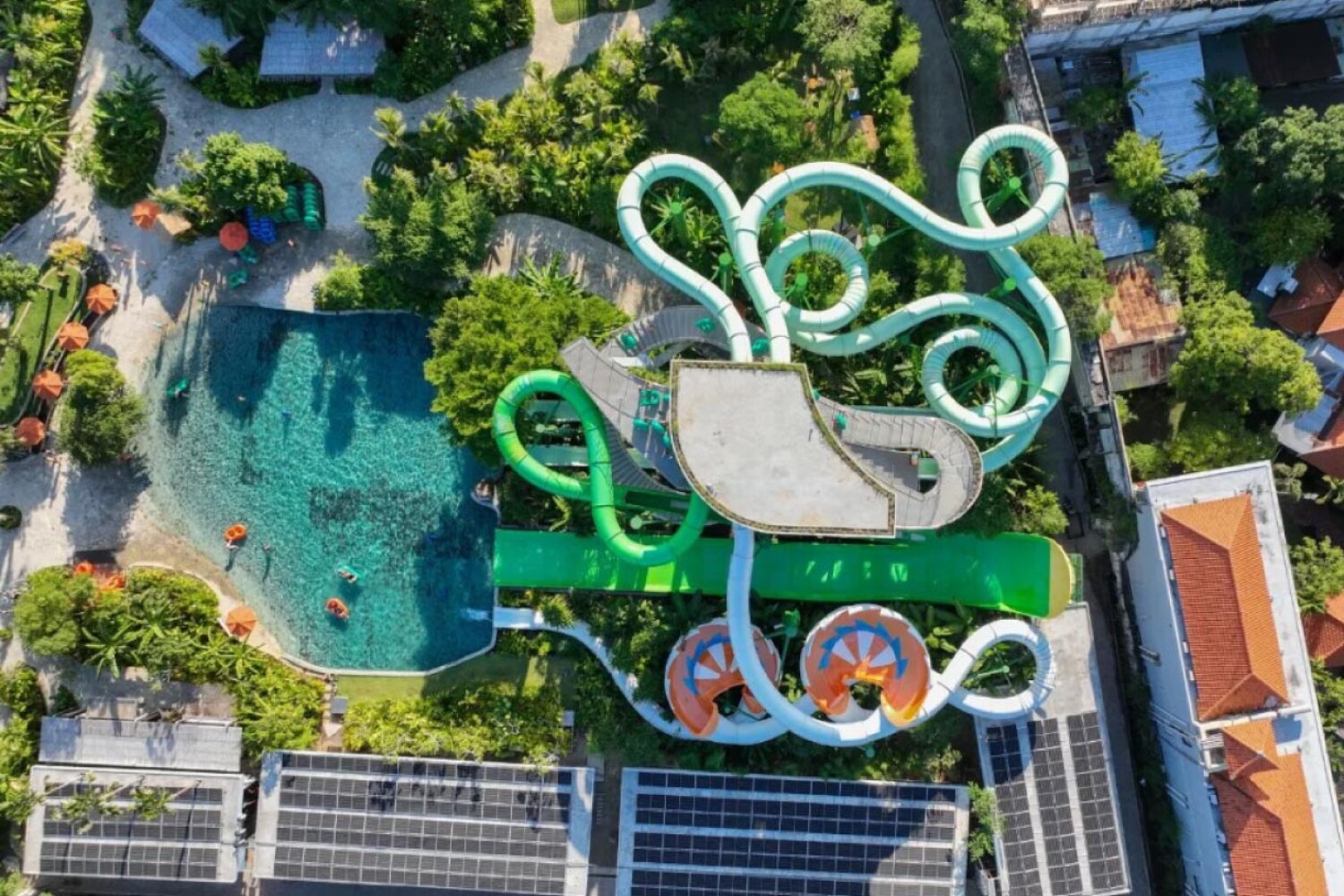
As the world shifts toward a more sustainable future, the concept of Environmentally Sustainable Design (ESD) stands out as a vital strategy in shaping our built environment. ESD not only focuses on reducing the ecological footprint of buildings but also serves as a powerful framework for integrating renewable energy sources into everyday architecture. By embracing ESD, developers, architects, and policy-makers can actively contribute to climate goals while unlocking long-term economic, environmental, and social benefits.
The Power of ESD: Where Sustainability Meets Innovation
Environmentally Sustainable Design is rooted in the idea of designing buildings and infrastructures that minimize environmental impact throughout their lifecycle. From energy efficiency and water conservation to waste reduction and improved air quality, ESD principles foster a healthier, more resilient environment.
But perhaps one of the most transformative potentials of ESD lies in its ability to showcase and implement renewable energy technologies. Let’s explore how.
ESD as a Driving Force for Renewable Energy through Eco-Mantra
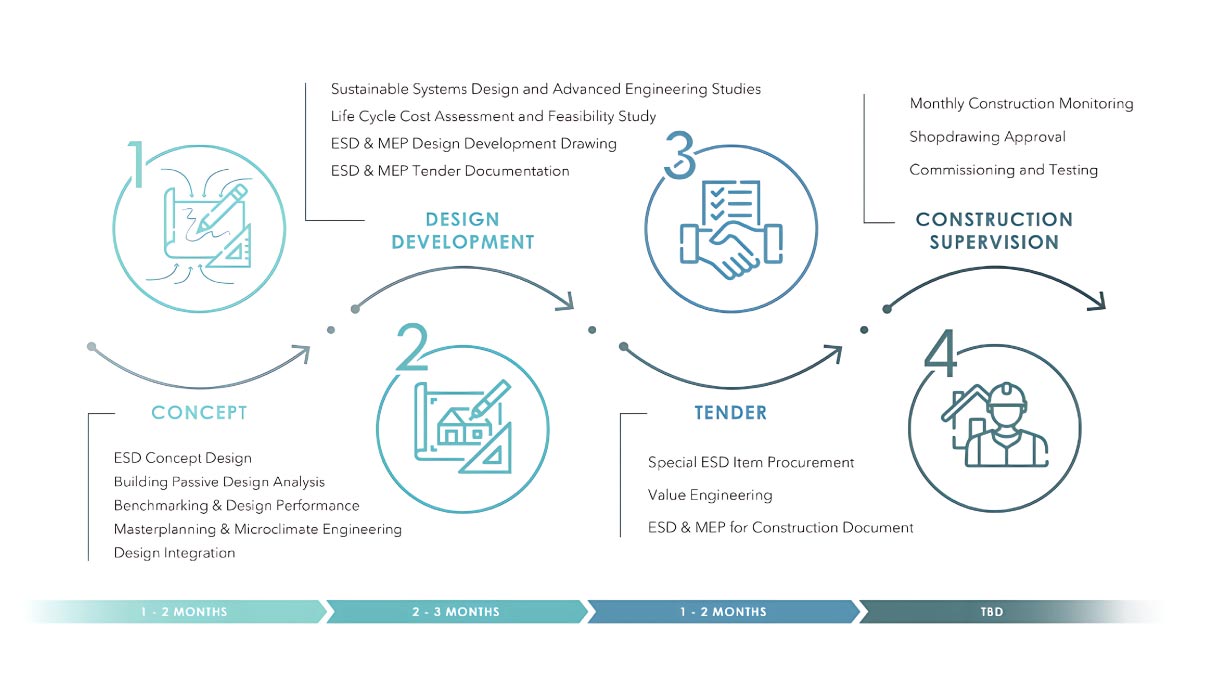
Title: eco-mantra ESD work flow
Our Project The Freebird Residence Luxury Villas in Bali exemplify how Environmentally Sustainable Design (ESD) integrates renewable energy and resource efficiency. Imagine waking up in a villa where the breeze flows effortlessly through open spaces, sunlight dances on solar-paneled rooftops, and every drop of rain is cherished. This isn’t a utopian fantasy—it’s the reality of Freebird Residence Luxury Villas in Bali, a groundbreaking project that marries Japanese minimalism, tropical elegance, and cutting-edge sustainability. Let’s dive into how this visionary development is rewriting the rules of luxury living by harnessing renewable energy and eco-conscious design.
Solar Energy: Powering Paradise with Sunshine
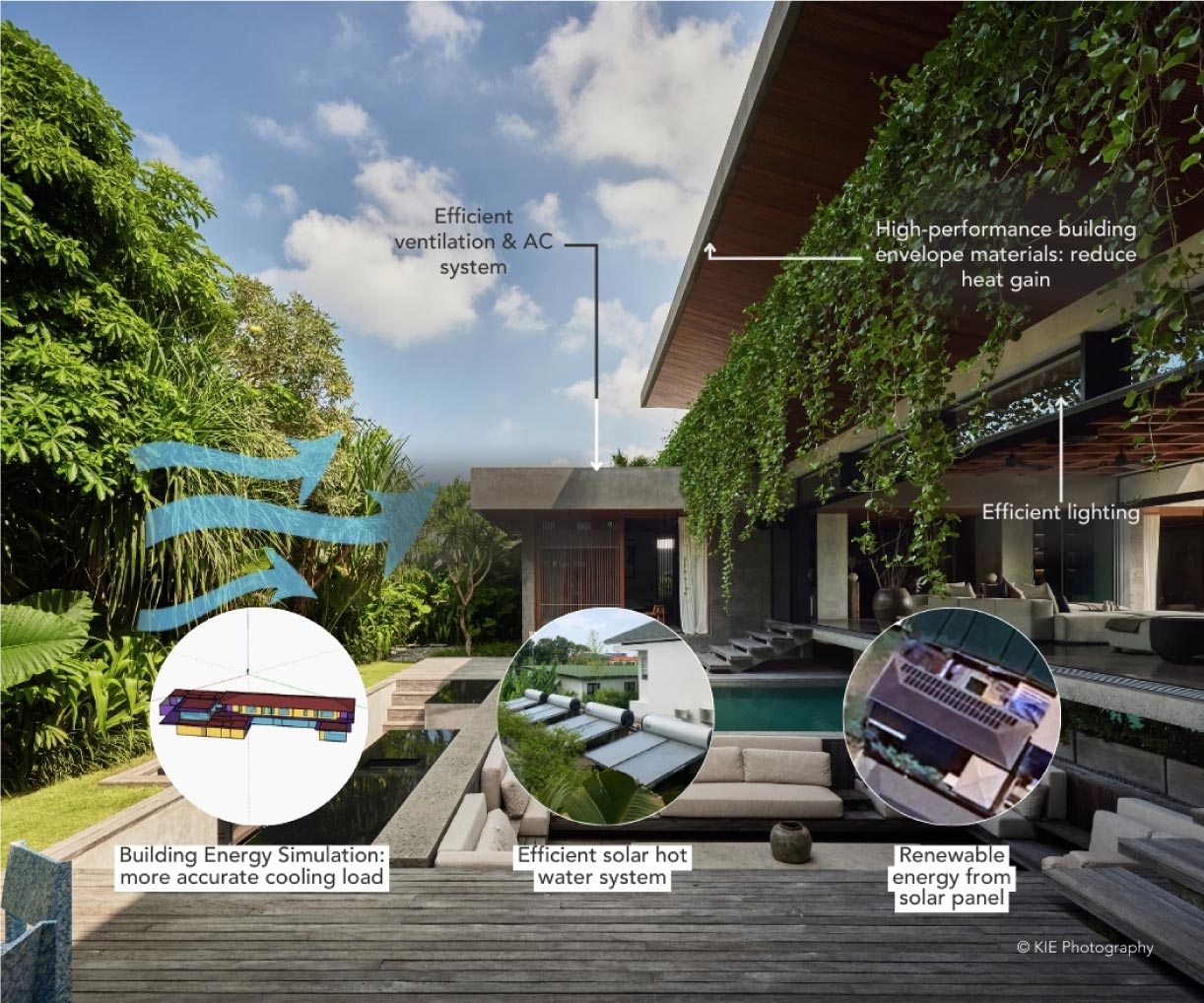
Bali’s tropical sun isn’t just for beach days—it’s the lifeblood of Freebird’s energy strategy. The villas’ rooftops are studded with solar panels, quietly converting sunlight into clean electricity. But the genius doesn’t stop there. The design team at Eco-Mantra embraced passive solar principles, orienting buildings to maximize natural light while minimizing heat gain. Think wide overhangs, reflective surfaces, and lush greenery that act as nature’s own air conditioning.
Why it matters:
- 36% energy savings compared to conventional villas.
- A seamless blend of beauty and function—solar panels double as sleek architectural accents.
“It’s about working with the environment, not against it,” says Alexis Dornier, the project’s architect. “Every beam of light, every breeze, becomes part of the design.”
Wind & Water: Bali’s Natural Rhythms at Work
While Bali isn’t known for strong winds, Freebird Residence leans into the island’s gentle breezes. Cross-ventilation designs channel airflow through every room, reducing the need for energy-guzzling AC. And when it comes to water? The villas are a masterclass in zero run-off design. Rainwater is harvested from rooftops, filtered through bioswales and rain gardens, and stored for reuse. Even wastewater gets a second life—treated and repurposed for irrigating the property’s lush tropical gardens.
The ripple effect:
- 59% water savings through low-flow fixtures and smart recycling.
- Groundwater recharge wells ensure Bali’s aquifers stay replenished—a critical step in a region battling water scarcity.
Geothermal & Biomass: The Hidden Heroes
Though Bali’s climate doesn’t demand geothermal heating, Freebird’s team didn’t overlook efficiency. A heat pump system quietly powers the villas’ hot water, slashing energy use by up to 60% compared to traditional heaters. And what about waste? The answer lies in circular thinking. Organic waste from the villas’ kitchens and gardens is composted onsite, feeding the soil that sustains the property’s vibrant landscaping.
Fun fact:
- If scaled up, bio-digesters could turn food scraps into biogas for cooking—a future upgrade that’s already on Eco-Mantras radar.
Beyond Energy: The Holistic Magic of ESD
Freebird Residence proves that sustainable design isn’t just about solar panels and recycling bins. It’s a philosophy that touches every aspect of life:
- Healthier living: Natural ventilation and non-toxic materials boost indoor air quality.
- Cost savings: Lower utility bills mean more money for… well, Bali’s famous sunsets and smoothie bowls.
- Resilience: Climate-smart features like stormwater management protect against extreme weather.
Even the pool gets a green makeover—a salt-chlorinated system cuts chemical use, making midnight swims gentler on skin and ecosystems alike.
A Blueprint for the Future: ESD & Global Goals
Freebird Residence isn’t just a villa—it’s a microcosm of the UN’s Sustainable Development Goals (SDGs). By slashing carbon emissions, conserving water, and prioritizing renewables, the project embodies SDG 7 (Affordable Clean Energy) and SDG 11 (Sustainable Cities). It’s also a nod to ambitious regional visions, like the Baltic States’ push for 100% renewable electricity by 2050.
The Freebird Residence illustrates ESD’s transformative power, merging renewable energy (solar, water efficiency) with passive design and circular principles. While not all renewable strategies are applicable to every project, the integration of localized solutions—whether solar panels in Bali or offshore wind in the Baltic—shapes a sustainable future. By prioritizing energy-conscious design today, we build resilient, equitable communities for tomorrow.
Source: Eco-Mantra Impact Tally